Lost in the Woods
I walked through Prospect Park today. I was actually looking for a bank that I thought was just on the other side. It wasn't. I wish I had known that before I began my trek through the woods.
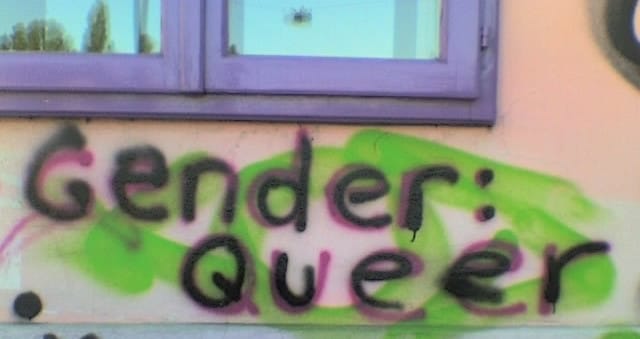
Who knew I was so close to such nature. By the time I reached the other side, I'd had enough. But, interestingly, I managed to get kicked out of the cemetery that's in the middle of the park. The gates were open. So I walked in figuring it was meant to be explored. It wasn't. I got a "hey, this is private property." I left. I'm starting to reconsider this whole not working thing. I need money. So I may call some more temp agencies this afternoon when I wake up. I found a couple looking for proofreaders. Let's hope they don't have gender issues, too.
And now for the description of Class #2 (I haven't signed up for this officially but I think I'm going to add it once the semester begins):The Metonymic Imagination: Figuring the Things of This WorldHeidi Krueger Metonymy is the trope of the everyday – the figure of speech in which one word or phrase is substituted for another with which it is closely associated (as in the use of "Washington" for the U. S. Government). But ever since Roman Jakobson's seminal distinction between the "metaphoric and metonymic poles" of sign systems, "the metonymic" has come to designate a variety of forms and practices, from digression in traditional narrative to Cubist composition to Freud's concept of displacement. In both usages, metonymy (unlike, say, allegory) remains bound to "the things of this world," in all their abundance and sheer adjacency. Since Jakobson, however, the act of reading itself has come to be understood as "a metonymic labor." In this course we will explore the range and implications of metonymy and "the metonymic" in a series of texts that culminates with James Joyce's Ulysses. Theoretical readings will include philosophical and etymological fragments from the Stoic Zeno and his followers, ancient rhetorical treatises, and works by Augustine, Nietzsche, Freud, Bakhtin, Jakobson, Lacan, Eco, and Barthes. Literary texts to be examined, besides Ulysses, include poems from the Old Norse Edda, W. H. Auden, Gwendolyn Brooks, and Nourbese Philips; Gogol's short story "The Nose"; Balzac's "Sarrasine"; Joyce's "The Dead"; and Gertrude Stein's experimental prose work Tender Buttons.